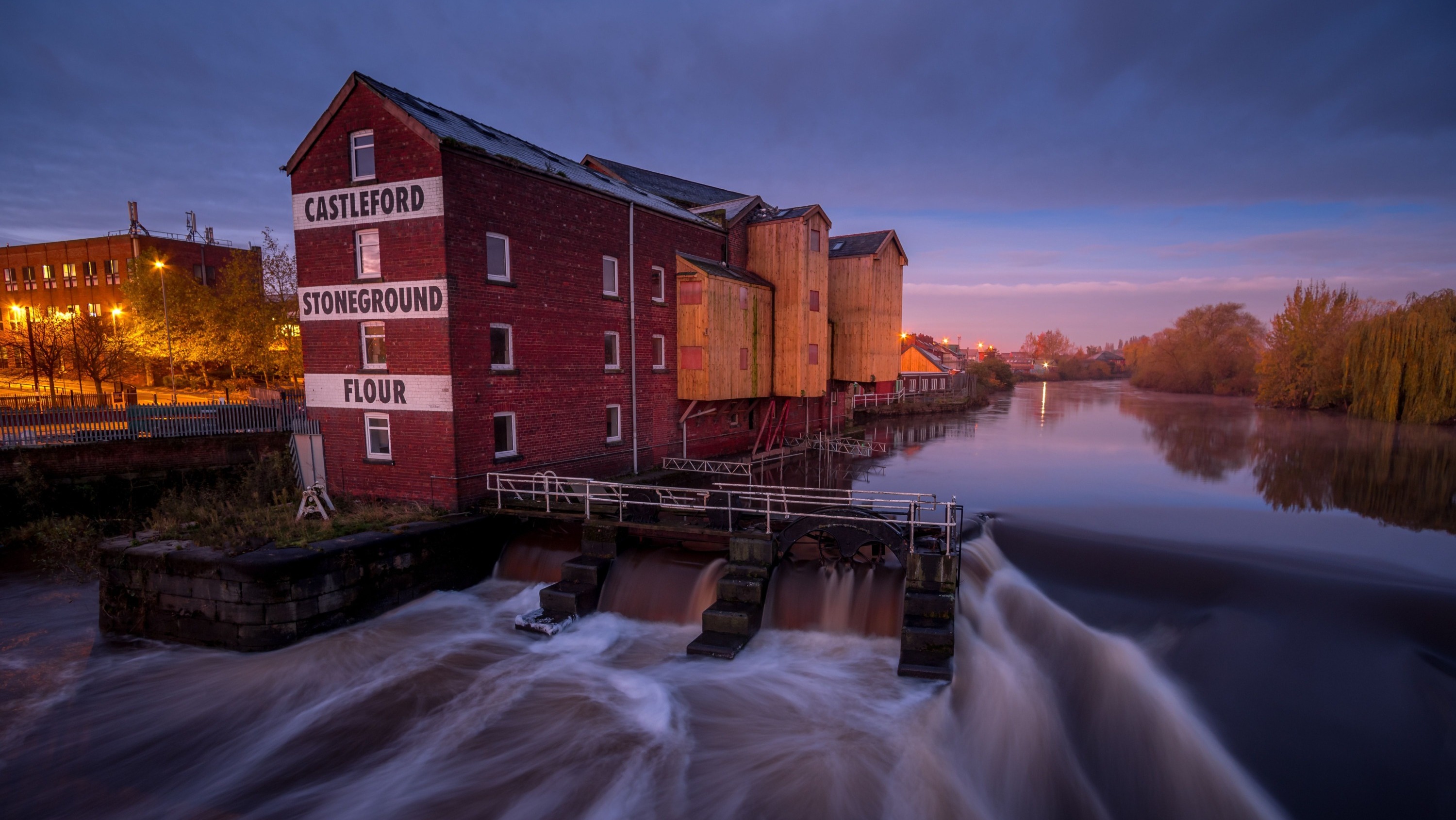
Queen’s Mill, Castleford
Red Ladder Local venue, Queen’s Mill (formerly known as Allinson’s Mill) sits on the banks of the River Aire in Castleford, and in its heyday was thought to be the largest stone grinding mill in the world.
Now run by Castleford Heritage Trust, the mill is a thriving multipurpose cultural hub and home to a variety of businesses and creatives. Lorna Malkin, the Trust’s chief executive, talks about the mill, its heritage and the benefits of being a Red Ladder Local venue.
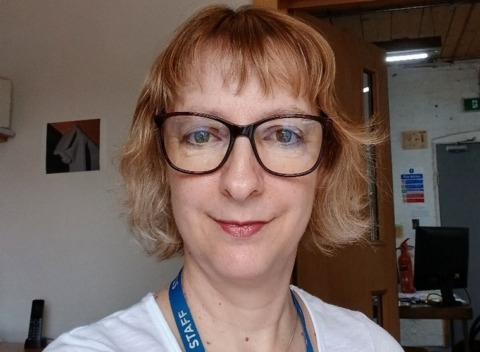
Lorna Malkin
Can you tell us a bit about Queen’s Mill and its story?
Queen’s Mill was an industrial flour mill up until 2011 when it closed. There had been milling on the site since Roman times and the building there today dates back to the late Victorian times and Queen Victoria’s diamond jubilee, which is where its name comes from.
Allinson’s flour was made here and it was Thomas Allinson who coined the phrase “nowt taken out” – he was a bit ahead of his time in terms of nutrition and health. So it was always known in the town as ‘Allinson’s flour mill.’ But when production stopped in 2011 we had to change the name, because it’s a brand that still exists, so we reverted to the original name of Queen’s Mill.
By the time it shut down most of Castleford’s industries, of which there were many, had disappeared and local people were concerned this would be left as a derelict building, or knocked down to build flats. So we ended up purchasing the building in 2013 and we’ve been there ever since. It was an industrial flour mill so there was very little usable space, and we spent a lot of time stripping out old equipment and putting in floors, staircases and lifts, to create something sustainable and that’s still ongoing – it’s a bit like painting the Forth Bridge!
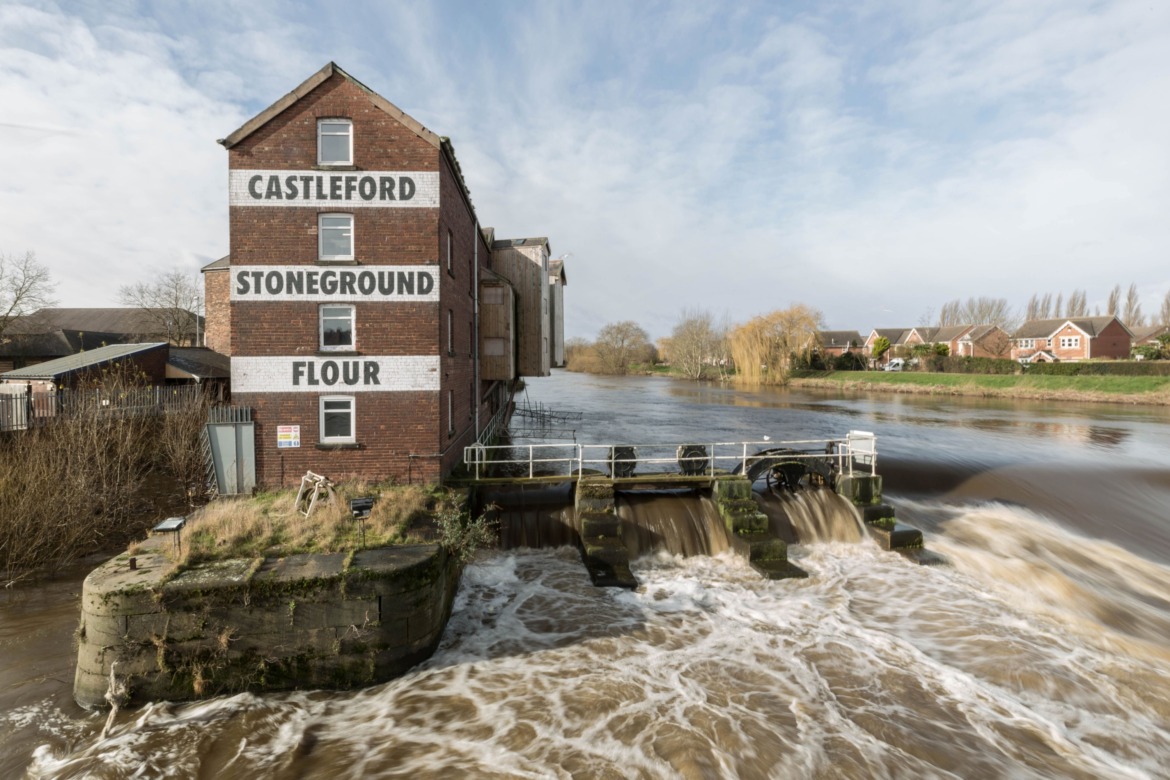
Queen’s Mill, Castleford
Tell us about the mill today
What’s interesting is we still mill stoneground flour and sell this! We also have 10 tenants including the Queen’s Mill Tearooms, Yorkshire Craft Beers, a music school and arts studios, and a number of community groups and art groups meet here. We’re what’s known as a ‘Community Anchor’ for the Wakefield district and we’re a Help at the Hub venue so we get funding through services for the community.
Why is the mill important?
When the Castleford Heritage Trust formed in 2000, the town was still suffering from the loss of the pits and the Trust wanted to help regenerate the town and bring back a feeling of local pride, because the town’s heritage is incredibly rich. At that point there was very little to see in the town and what the community wanted was a new museum to show off this heritage, but they wanted this building to be a multipurpose one where you could have theatre, exhibitions and education, and that original vision of a community cultural hub we are now delivering at Queen’s Mill.
We’re lucky that a lot of our volunteers are former builders, joiners or electricians, and they bring their skills with them. Quite a bit of the work has been done by volunteers which has meant when we’ve had grant funding we’ve been able to make the money go further. As a result, local people are very invested in the mill because they’ve put their time and effort into it.
“There’s a sense of ownership – people feel it’s their mill, which is lovely.”
What kind of arts and culture events do you host?
It’s a multipurpose space that gets used by lots of different groups. There are events we put on ourselves and there are those put on by other groups and organisations. We run craft fairs, and we have welcomed a food and music festival called Yonder and a Steam punk market. We also have a gallery space and host art exhibitions, so there’s quite a lot going on.
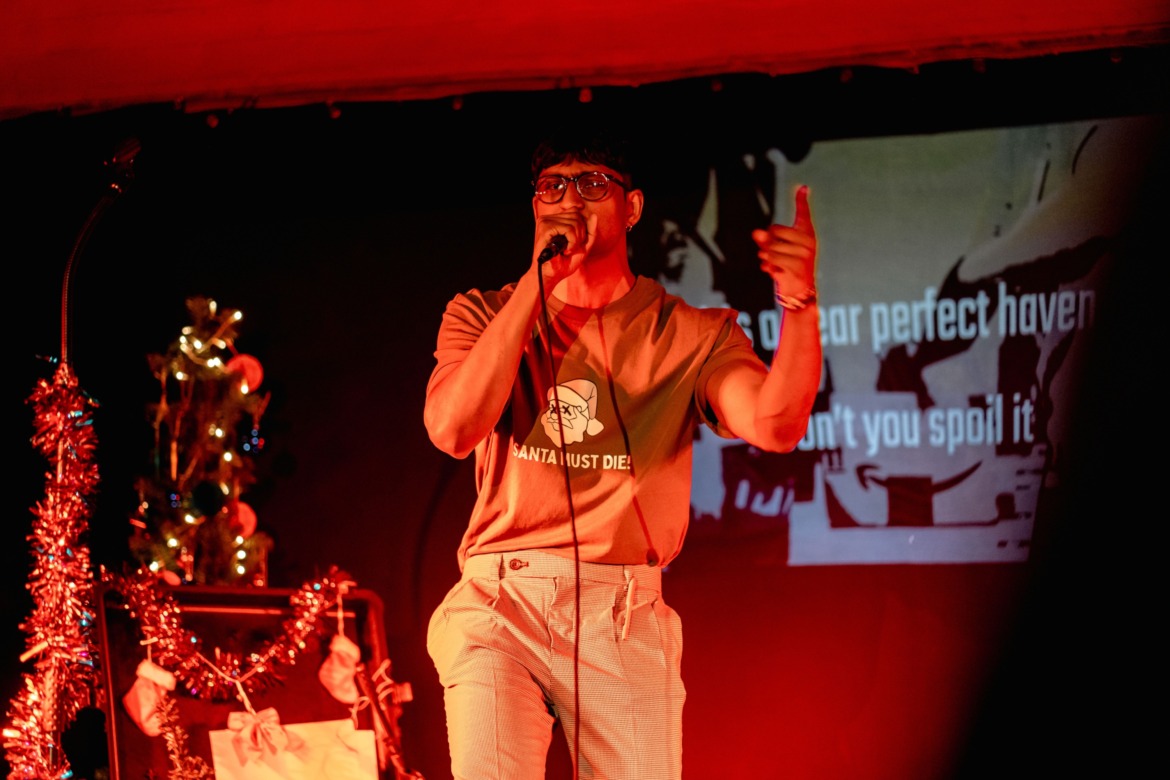
Santa Must Die at Queen’s Mill credit Lian Furness
How did you get involved with Red Ladder and what impact has it had?
We’ve had links for a long time, but it was more ad-hoc and it wasn’t structured as it is now. Most of the Red Ladder Local performances take place in our Island Room and for the local community, having a professional theatre company bringing shows here makes a big difference. It makes it accessible and means they don’t have to travel to Wakefield or Leeds for a night out.
Who comes to the shows?
It’s quite varied, but there’s a core group of people who regularly come along depending on the performance and what it’s about. There’s not a lot of options locally if you want to see live theatre. Local schools put on productions, but there’s nothing else in the town like the offer Red Ladder has.
Why is it important that you have collaborations with arts and culture organisations?
Culture has always been a big part of what we offer, and theatre is part of that. It’s about keeping that tradition going and introducing it to new audiences. It’s also potentially a way of bringing new people to the mill who might not have come here for anything else.
To find out more go to Queen’s Mill – Historic Venue & Community Hub in Castleford