History
Nearly 60 years ago, a group of Socialist political theatre-makers gathered in a house in Hackney to form a collective called The Agitprop Street Players, later to become Red Ladder.
The Agitprop Street Players
1968
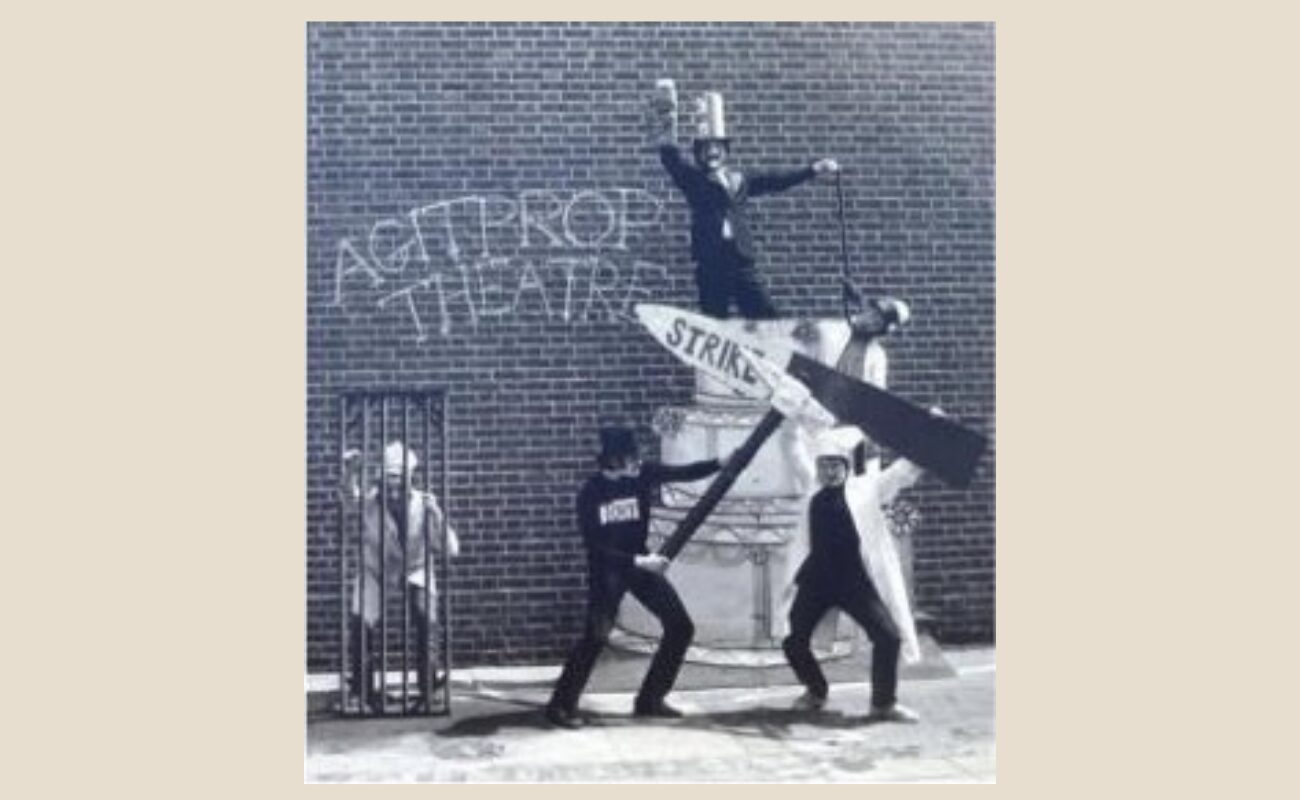
The Agitprop Street Players emerged when a group from a socialist information service performed a play at the Trafalgar Square Festival of 1968.
The plays were short and biting, morale-boosting sketches often relying on striking visual images to get the message across, they were highly portable relying on few props and were performed at mass political demonstrations, tenants association meetings, weekend schools etc.
Gradually the basis of the work broadened and plays that fed directly into particular struggles and issues developed; such as ‘The Big Con’ against the Industrial Relations Act and ‘The Cake Play’ against productivity bargaining,
The 60s were an era of riots, demonstrations and revolt – economic prosperity served to broaden political debate and theatre wanted to take part in this revolution of ideas. As it was conventional theatre changed little so the ‘alternative’ emerged in the shape of fringe theatre. Red Ladder became a prominent member of the fringe movement, known as one of the best established political theatre companies in Britain.
By 1971, alongside the new name ‘Red Ladder’, there also evolved a policy of taking theatre to ‘working class’ audiences in places where working people usually find their entertainment, this now included trade union clubs.
By 1973 the commitment of the company was recognised with an Arts Council grant of £4,000 and in 1976 the company moved from London to Leeds, Yorkshire and is still based in the city, touring nationally.
Between 1986 and 2006 Red Ladder made work targeting young teenagers and our shows toured youth clubs and local authority community spaces.
Since 2006 the company has returned to traditional theatres across the UK. Alongside this we take the same high quality touring shows into community spaces such as working men’s clubs, sports and socials and community halls.
Cheryl Martin
(2024 – present)
One of Cheryl’s key motivators is creating the kind of opportunities she benefitted from as an emerging artist that no longer exist in UK theatre. Each year she leads free workshops for emerging playwrights, actors and directors which culminate in a showcase event.
It was through one of these workshops in 2024 that she commissioned Seeta Wrightson, who made her playwright debut with A Proper Merry Christmess, a comedy for grownups co-written with Leon Fleming.
Cheryl’s first Red Ladder show, Sanctuary, connected with her work in Manchester directing community shows with the city’s refugee community through Community Arts Northwest. A musical about a young Iranian journalist who tries to claim sanctuary in a church in northern England, only to be beaten outside the church doors by an anti-immigrant mob, Sanctuary seemed torn from the headlines when it premiered in September 2024, following that summer’s shocking far-right riots.
Red Ladder is known as a conduit for working-class voices, something Cheryl aims to push further, using her workshops and courses to make theatre as accessible to as many people as possible.
As well as amplifying Red Ladder’s longstanding tradition of actively seeking new writing talent, Cheryl is determined to help provide work experience opportunities to those interested in pursuing off-stage creative careers.
Another long-term ambition is for Red Ladder to spearhead a New Writing Festival in conjunction with partners from Yorkshire Touring Network, to create a high-profile platform for writers in the North and boost the region’s theatre ecology.
There is a desire, at a time when much of the theatre world is playing it safe, to ensure that Red Ladder remains unafraid of taking risks. By working with new writers and directors you not only get a fresh and original story, you’re also helping to create and sustain a wider network of theatre makers.
Collaborations are very much at the heart of what Red Ladder does today – like its partnership with Leeds Conservatoire as part of its Leeds Theatre Festival. This involves producing a series of readings of original works from talented new northern writers – seven in 2026 – performed by Leeds Conservatoire undergraduates and graduates, plus a scratch night featuring extracts created by playwrights from Red Ladder writers’ workshops.
This can lead to exciting new work. Emerging playwright Henry Roberts came to Red Ladder through its Artist Development policy, which saw an early outing for a script as part of Red Ladder’s play reading partnership with Leeds Conservatoire. Henry did an impressive play reading that led Red Ladder, along with Hull-based Silent Uproar, agreeing to produce Close Enough to Touch – a raw, intimate and funny one-person show that explores sex, shame and…toilets – in autumn 2026.
This leans into Red Ladder’s reputation as a champion of new writing, at the same time as pointing the way forward. Cheryl wants a future where Red Ladder brings workshops to local venues, and finds new voices – writers, actors and directors – on its doorstep. Talent is everywhere, but opportunity isn’t. She wants Red Ladder to be that opportunity.
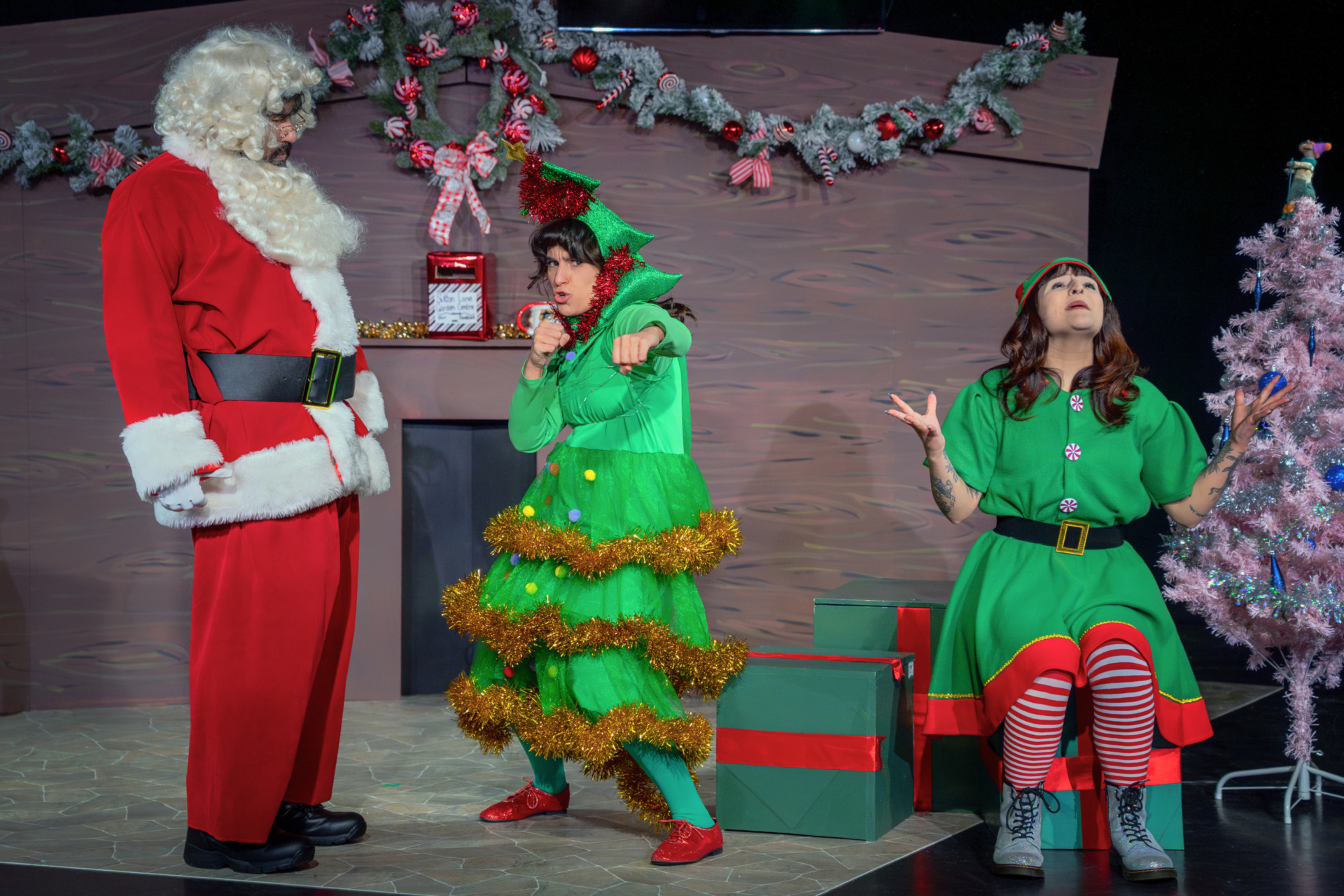
Rod Dixon
(2006 – 2023)
Rod was committed to “putting the red back into Red Ladder”, meaning that he wanted to make the work speak to a wider politically-minded audience and beyond youth clubs and studios.
In 2008 Red Ladder celebrated 40 years of theatre making. Its anniversary celebrations included our first large scale community show, written by local Leeds playwright Alice Nutter with music composed by Harry Hamer (both ex-Chumbawamba). The play was called Where’s Vietnam? – a comedy musical referencing the famous anti-Vietnam War demonstrations in 1968 where Red Ladder marched and performed.
In 2012, the company presented a music hall comedy, Big Society! by Boff Whalley starring Phill Jupitus and the band Chumbawamba, to celebrate the refurbishment of the Leeds City Varieties. Four years later, Rod directed a co-production The Damned United with The West Yorkshire Playhouse and a large-scale community play, Leeds Lads.
In 2017, Red Ladder made its first site-specific immersive production, The Shed Crew, followed in 2018 by Brecht’s Mother Courage and Her Children, to celebrate 50 years of theatre making. The latter starred Pauline McLynn in the lead role. This was groundbreaking as a promenade version of the play, with the audience following Mother Courage’s wagon from scene to scene like modern day displaced people fleeing wars.
Another highlight came in 2021, with Nick Ahad’s play Glory, a co-production between Red Ladder, The Dukes Lancaster, and Tamasha, about the eccentric world of British wrestling, which was shown in mainstream theatres as well as local working men’s clubs, enabling Red Ladder to both raise its profile and stay true to its roots.
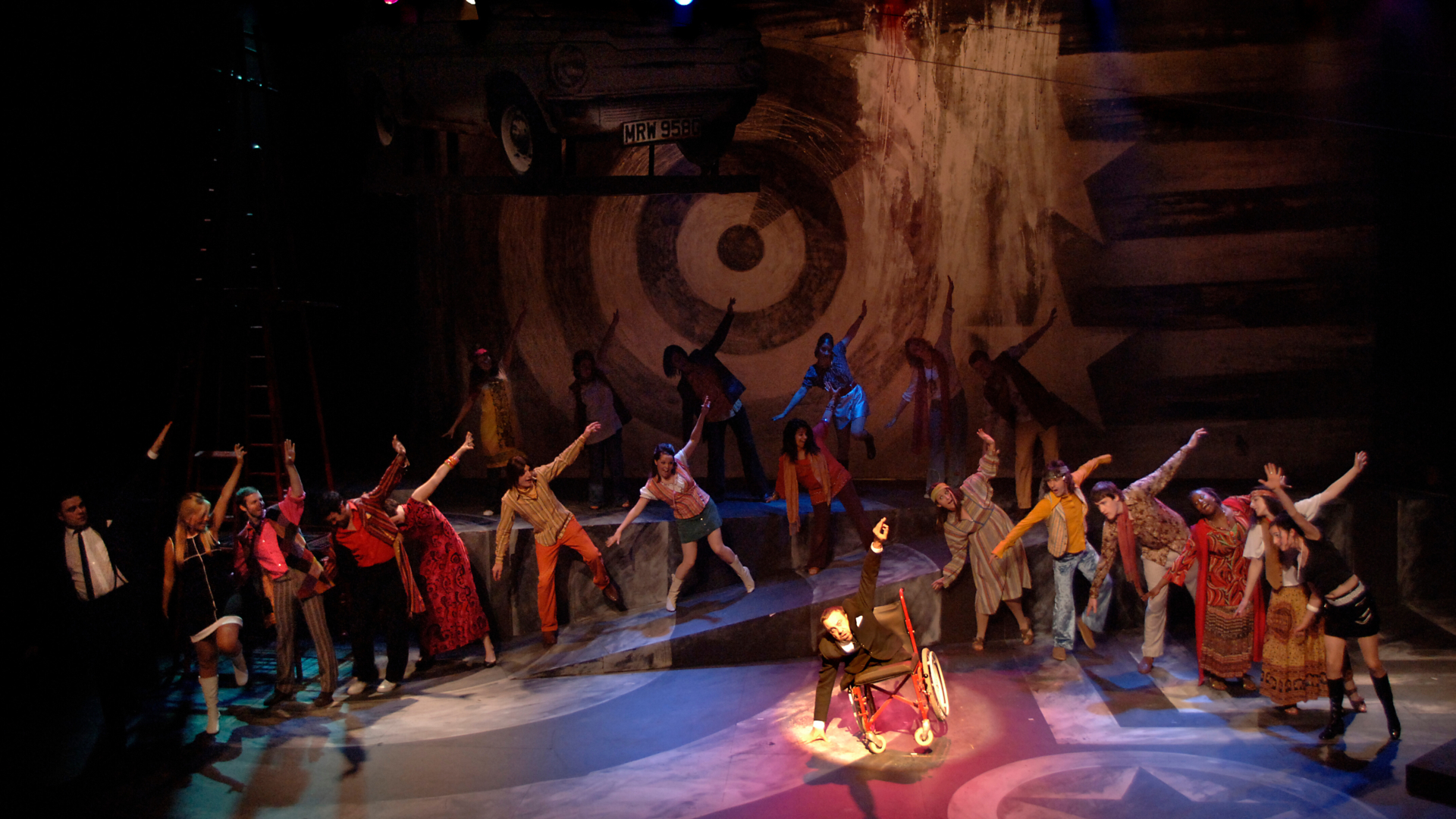
Wendy Harris
(1998 – 2006)
Under the artistic leadership of Wendy Harris, Red Ladder Theatre Company continued to create high-quality theatre for studios, youth clubs and schools.
She championed a values-led, family friendly organisation with productions that combined strong storytelling with innovative design elements, like projections and lighting, as seen in Soulskin by Esther Wilson, with design by the extraordinary Leslie Travers, while maintaining a strong commitment to new writing.
Wendy developed programmes with Contact Theatre in Manchester and Half Moon Theatre in London, supporting emerging playwrights and commissioning a series of new plays that reflected the experiences and perspectives of young audiences.
Highlights included Mike Kenny’s After the End of the World and Noel Greig’s Picture Me, Chris O’Connell’s Hold Ya, Andrea Earl’s Lowdown Highnotes and Brendan Murray’s After You, as well as a revived Wise Guys by Philip Osment, and Freefalling by Madani Younis.
Wendy also produced a number of original works; The Dreaming of Bones by Damian Gorman (directed by Shabina Aslam), Worlds Apart by Mick Martin (directed by Juliet Ellis), and Louise Wallwein’s Tagged (directed by Farouque Khan), all blending social themes, youth perspectives, and high production values throughout the company’s touring work.
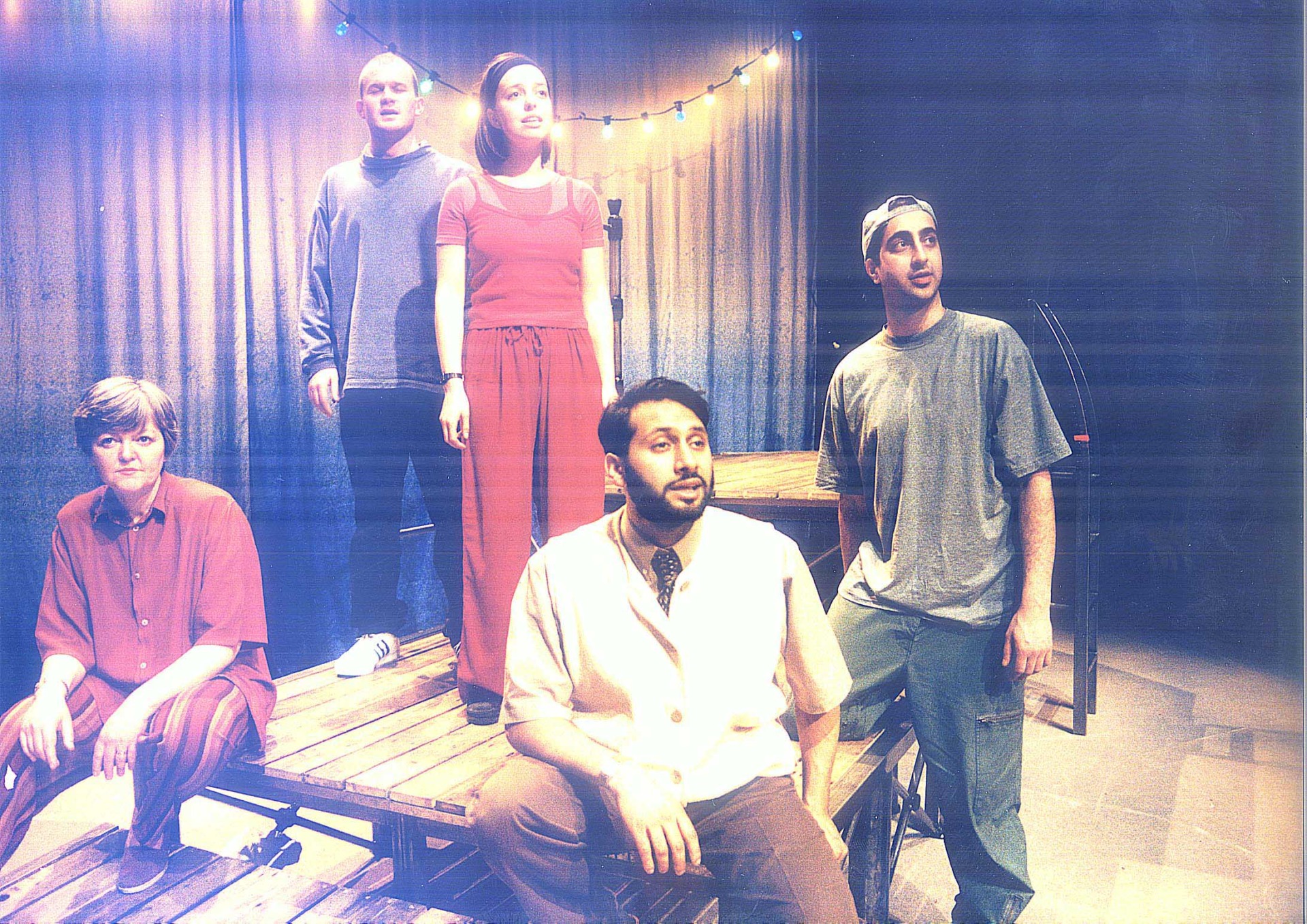
During this period, Wendy also developed the highly successful Asian Theatre School (ATS), appointing Madani Younis as director to produce work that gave young Bradford artists a platform for original stories. He wrote Silent Cry, ATS’s first national touring production, as well as Caravan and Streets of Rage. In 2006, Wendy helped lead the change that enabled ATS to become an independent arts organisation.
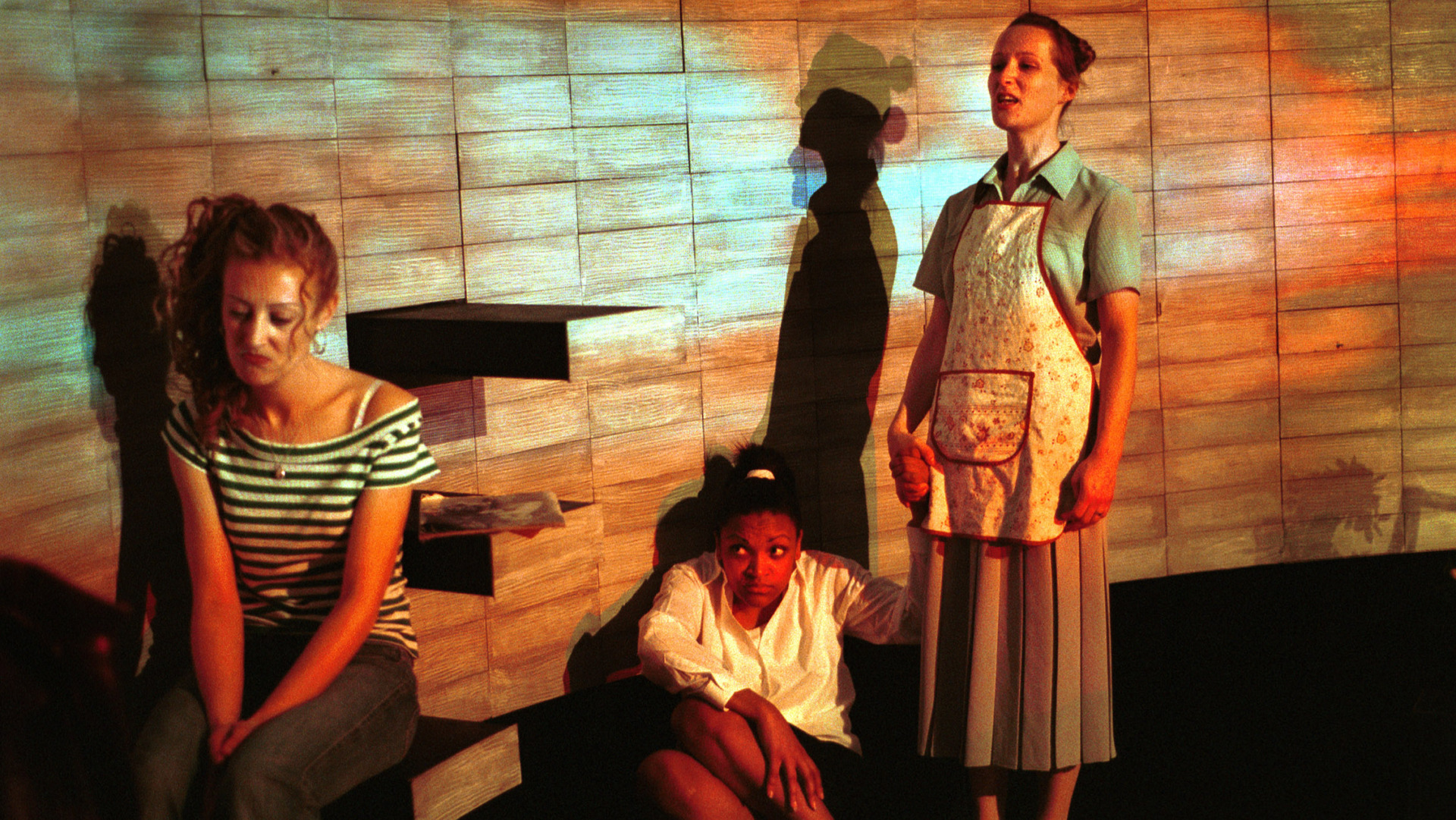
Asian Theatre School
2002 – 2007
Red Ladder’s Asian Theatre School was directed by Madani Younis from 2002 – 2007, when it moved to Bradford and was rebranded as the independently run Freedom Studios.
Madani Younis left Freedom Studios in 2009 to become artistic director of The Bush and later creative director of The South Bank Centre.
His work at Freedom Studios included the site-specific work, The Mill – City of Dreams. He has also worked nationally and internationally as theatre director, writer and practitioner.
Madani staged seven productions for Red Ladder Theatre Company’s Asian Theatre School – Streets of Rage (2002); Silent Cry (2003 – regional, 2004 – national tour); Freeworld (2004 – an international collaboration with the Studio Theatre Damascus, Syria); Caravan (2005 – West Yorkshire Playhouse); Freefalling (2005 – Red Ladder Theatre Company, national tour); A Waiting Room for Journeying Souls (2005 – Peepul Centre, Leicester), and Doors (2007- Red Ladder Theatre Company, national tour).
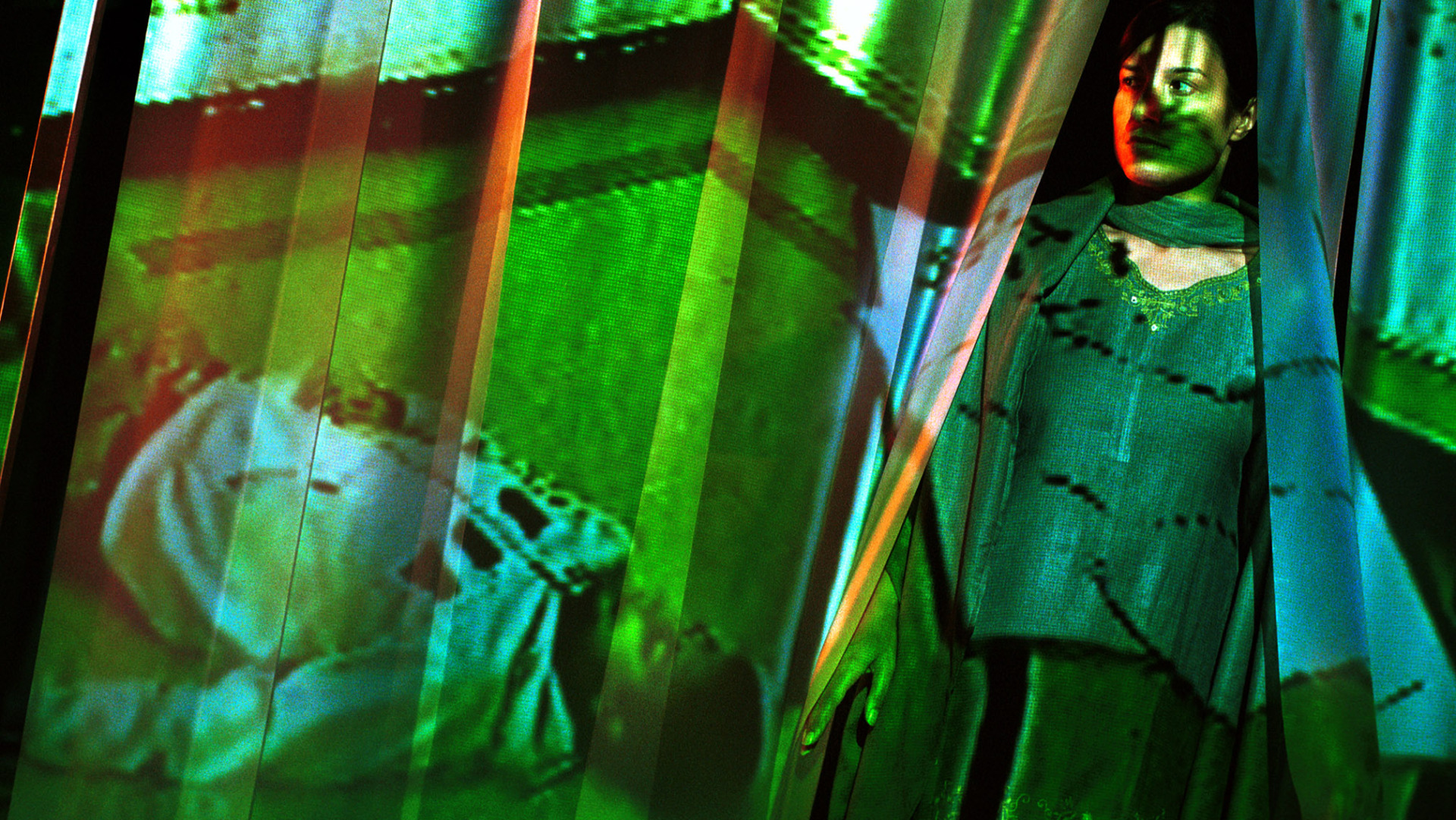
Kully Thiarai
(1994 -1998)
A hallmark of Kully’s work throughout her career has been making theatre for those with little or no access to the Arts. At Red Ladder she focused on work for young people (aged 14 – 25) commissioning and directing new writing that was relevant to them and showcasing stories that connected with groups who often felt excluded or underrepresented.
Whilst continuing to tour non-theatre spaces and youth clubs she also began to nurture close relationships with theatre venues that wanted to connect with young people. This saw the company taking plays such as Philip Osment’s Sleeping Dogs (1994) and Wise Guys (1998) into youth clubs, studio theatres and festivals. Red Ladder acted as a bridge between venues and young people, taking shows across the country.
Part of the mission of the company at that time was to develop strategies which offered young people the opportunity to become involved in the artistic life of the country. Kully wanted to create new opportunities for young actors, writers and directors of Black and South Asian heritage, who at the time were not coming through the region’s drama schools and colleges in any meaningful numbers. It meant their stories weren’t being told and their voices were not being heard. This was the trigger for collaborating with Theatre in the Mill and led to the creation of Red Ladder’s Asian Theatre School, which later became Freedom Studios.
The idea of who is represented in theatre and the desire for a wider conversation around radical politics, took Kully back to Red Ladder’s origins and led to a series of important international collaborations with artists and theatre makers.
One of the highlights was a collaboration in 1996 with Theatre Direct, in Toronto, on the Noël Greig play End of Season. This was Red Ladder’s first international co-production and further partnerships evolved particularly with a number of street theatre companies in India including Jana Natya Manch and The Pandies. The seeds for an international youth theatre festival later created by Kully and Noël for the Commonwealth Games 2002 in Manchester called ‘Contacting The World’ also emerged from these initial collaborations.
There were many more notable moments. Kully gave Roy Williams his first commission, for Josie’s Boys, in 1996, and cites Maya Chowdhry’s play Kaahini (1997), about gender, duty and kismet, which went on to enjoy a second production with Birmingham Rep, as another highlight.
Kully’s tenure saw Red Ladder develop new ideas at the same time as staying true to its roots. She built on the achievements of her predecessor, Rachel Feldberg, and recognised the importance of having strategic relationships with theatre venues to help make lasting connections with young people alongside developing and nurturing new voices through a series of writing workshops and residencies.
Rachel Feldberg
(1985 – 1993)
Rachel Feldberg arrived at Red Ladder at one of the lowest points in the company’s history. She was appointed artistic director by a new board of directors at a time when the previous company members had left, the collective no longer existed and the financial position was bleak.
However, Rachel was determined that Red Ladder would survive. She used her experience of working in a socialist feminist theatre collective, which valued diversity and disenfranchised voices, to make a Red Ladder that was true to its roots, with issues around race and gender at its heart.
Along with a dedicated new team which included Sarah Richards, Annie Latham and Susie Hargreaves, she worked with actors, writers and musicians to create pioneering theatre for young people in youth clubs. Youth workers and young people from across the country were involved in determining the content of each play and the company championed new writing.
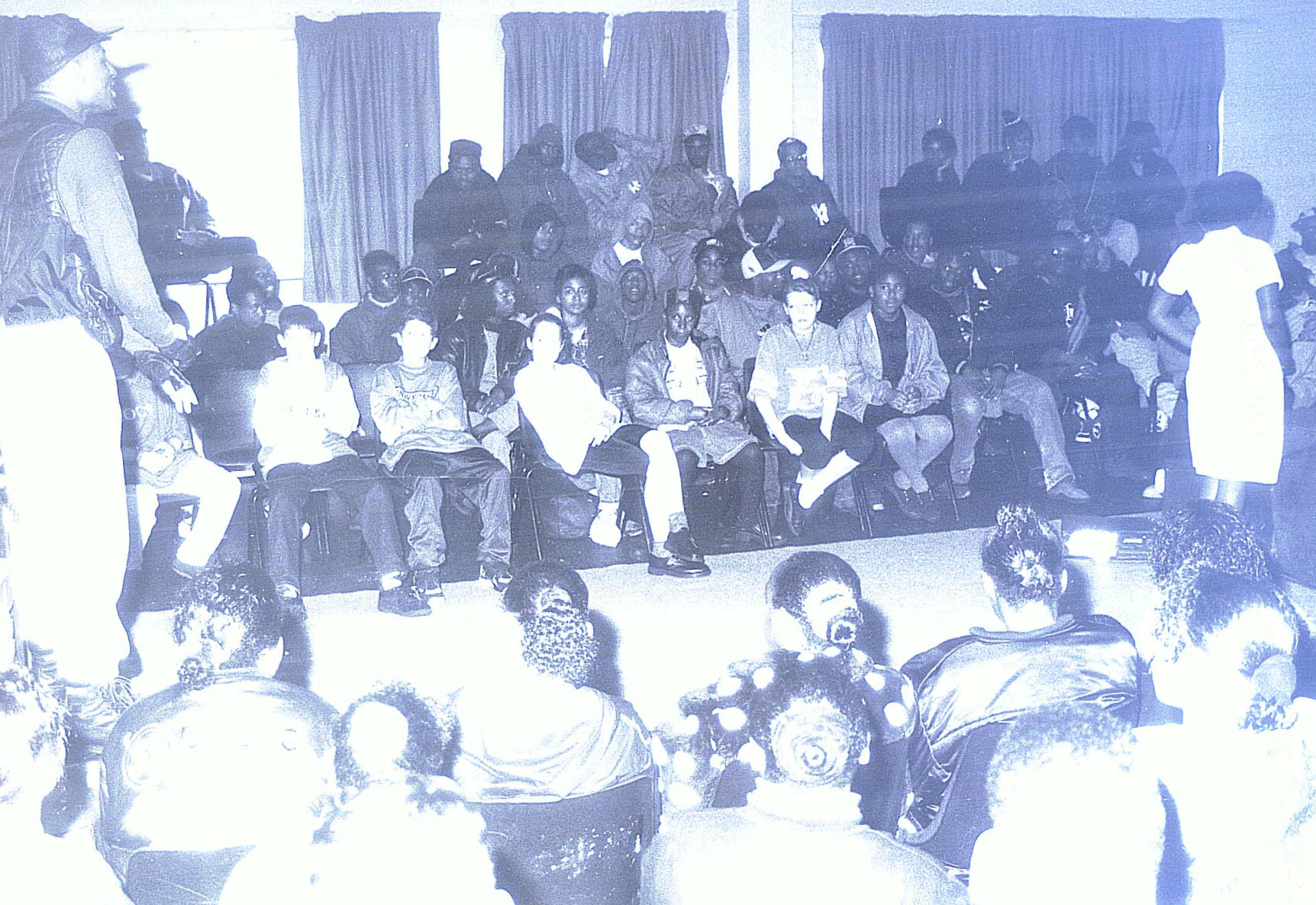
This new work addressed important topics like racism, gender, sexual orientation, disability, unemployment, HIV and AIDs. The small group discussions with the audience which followed each performance gave young people the opportunity to voice their opinions and challenge each other about the kind of society they would like to see. This iteration of Red Ladder was multi-racial which at the time was unusual and within a few years disabled actors were working on every show.
Over the next eight years Red Ladder made artistically innovative work which often incorporated British Sign Language (BSL) and was frequently multi-lingual. Rachel commissioned leading writers for young people including Rona Munro, Philip Osment, Lin Coghlan and Mike Kenny, and worked with directors including Annalyn Bhanji, Kully Thiarai, Gwenda Hughes and Joe Williams. The work was designed to reach young people for whom there was little other provision.
Standout tours included Winners, Rona Munro’s play for and about young women, Jacqui Shapiro and Meera Syal’s One of Us and Nandita Ghose’s Bhangra Girls, both for Asian girls’ groups and Philip Osment’s Who’s Breaking, which addressed the stigma around AIDS at the time of Clause 28 and the repressive Thatcher government.
All the work was performed in non-theatre spaces, often in challenging conditions. Lin Coghlan’s Bus Shelter Project about homelessness and resilience was staged in a stripped-out single bus with a lighting rig created from baked bean tins to reach young people meeting up in bus shelters and on street corners.
Still want to know more?
For information on past shows, including dates, credits, images and video content please visit Past Shows.
You can also request to access the Red Ladder Theatre Company Archive Collection at Leeds University by following the instructions here.