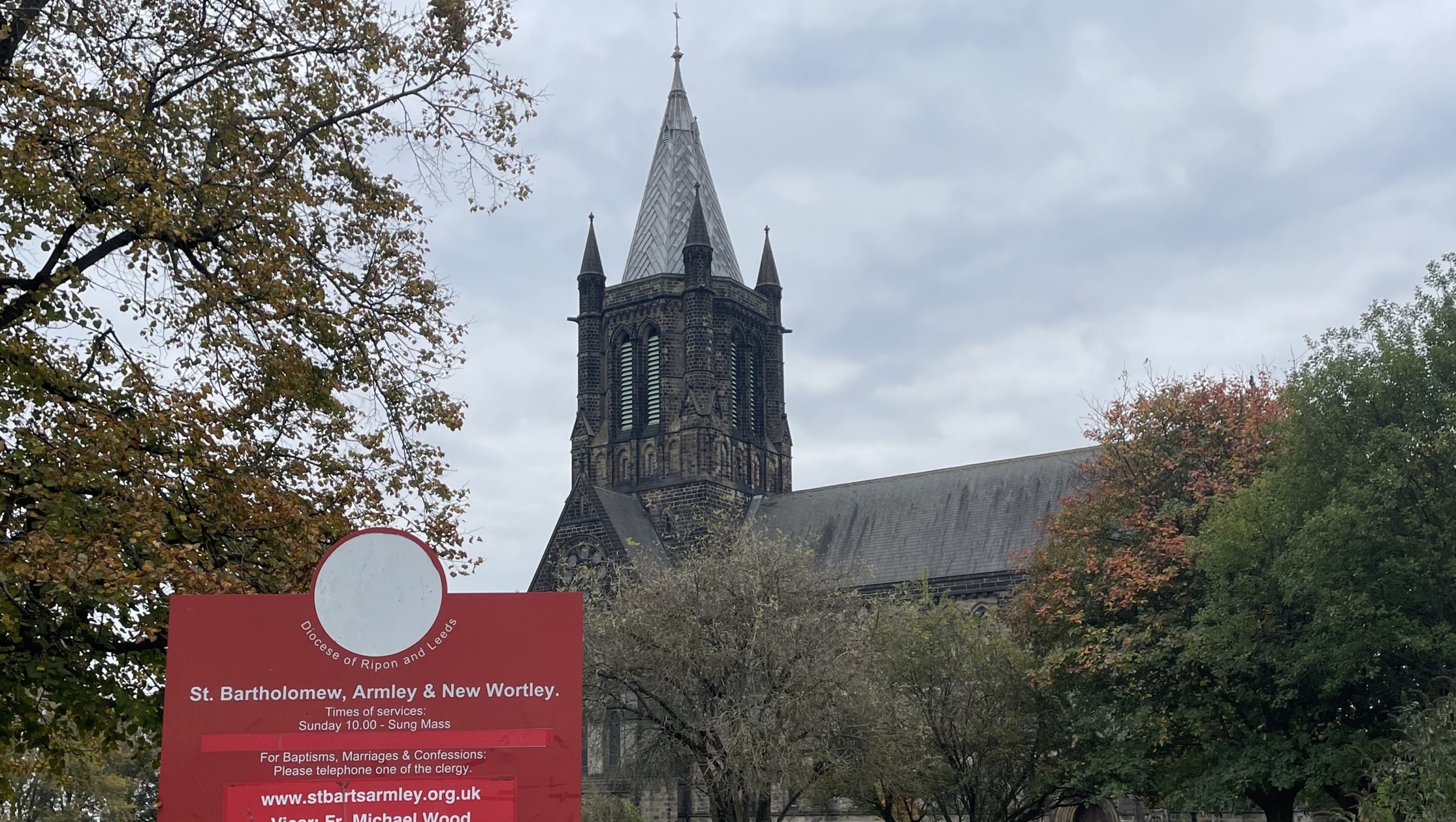
St. Bart’s, Armley, Leeds
Red Ladder Local venue, St Bartholomew’s Church as seen today, took six years to build and was completed in 1877.
It is one of the largest churches in the Diocese of Ripon and Leeds and is home to the famous Schulze Organ, thought to be the only one of its kind in Britain, if not the world. As well as being a parish church, St Bart’s is also a Red Ladder Local venue and has hosted several performances and shows. Graham Barber, the church’s PCC secretary and organist, and Rose Farrar, freelance community producer, talk about the church and the impact arts and culture have on the local community…
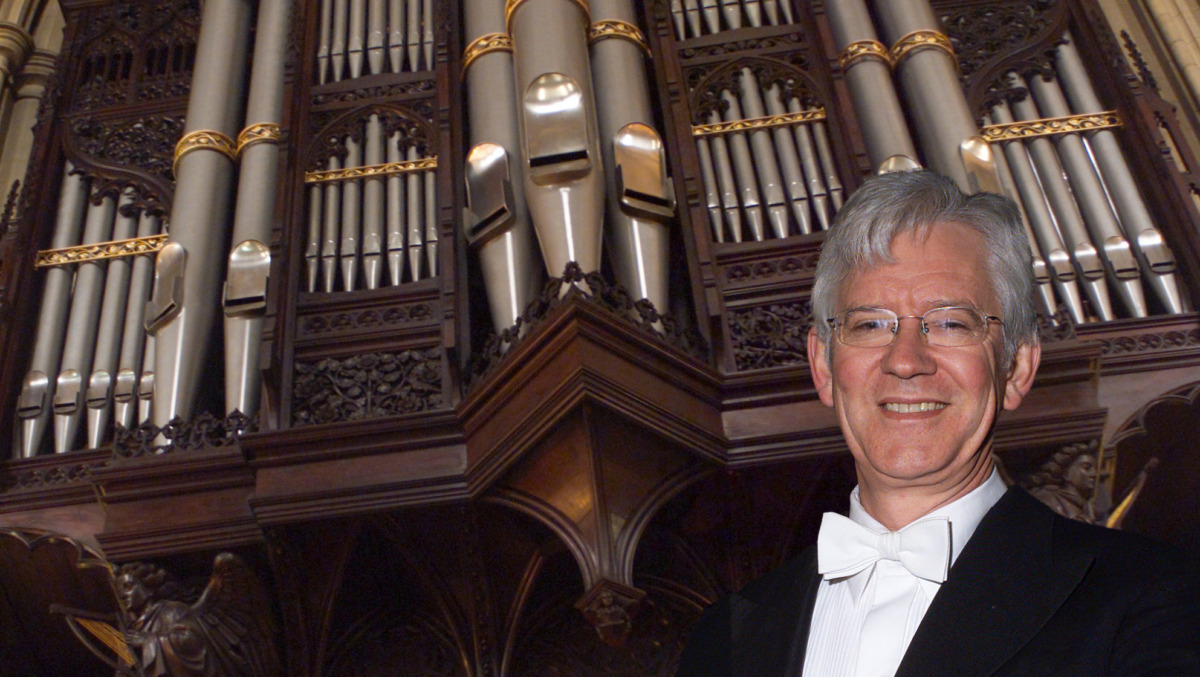
Graham Barber
Graham Barber
What can you tell us about the church itself?
It’s a very imposing building – you can’t miss it! And it’s even more impressive inside. It has that magisterial quality. It’s got a very lofty nave that’s almost the same height as the chancel. There’s also a lot of interesting artworks from mosaics to stained glass and sculptures. But it is struggling to survive because the kind of finance you need just isn’t there. The building was gifted by the wealthy mill owners in the 19th century and they’re not around anymore.
What sort of social and cultural events does the church host?
It’s difficult to generate audiences these days for classical music or chamber music, and we don’t really have the right atmosphere for a pop or rock concert. But we are achieving success with more informal offers like our annual Music Lunch series, and we do get approached by various choral societies that want to perform here. Leeds Symphony Orchestra did a summer concert last year and they’re coming back again this year.
We’re trying to be relevant in modern times when fewer people go to church. We open the doors as often as we can and we’re always keen on encouraging more people to come and visit us.
We also join in with the national heritage weekends in September and we have summer and Christmas fairs. Having more events means we’re able to open the place more often, kids get involved and the local community notice it more.
Can you tell us about St Bart’s and the work it does with Red Ladder?
St Bart’s has always had a presence in the arts, particularly music, which goes way back into the 19th century. Historically, this has been largely limited to organ recitals and choral concerts. Then a couple of years ago the opportunity arose to work with Red Ladder who thought it would be a great space for theatrical productions. We liked the idea too and started this collaboration.
We had two shows, an evening one aimed at adults, and a kids’ show at a weekend, and they both went down well and we’ve gone on from there. The first show was Tones, about the struggles of a black man coming to terms with issues in his life. We decided to mount it in the choir stalls, so the rest of the church was in darkness, and the stalls were in a pool of light which looked really dramatic.
Last year, we hosted four shows, two adult ones (Talking About the Fire and Kailey) and two for children (Pirate Bonnie and The Story Forge), and they’ve all been successful.

Kailey credit Robling Photography
What impact are the Red Ladder Local shows having on the church?
It’s helped increase our footfall which we’re very happy about because this place belongs to the community. Sometimes people might not be interested in the religious side of things but come in and are often wowed by this dramatic and imposing building, which means they might come again.
We don’t have the resources to reach potential audiences that Red Ladder has, and we wouldn’t know how to start getting productions to come here, whereas they do it all the time and they have lots of contacts so as part of their network we benefit from all this.
It’s a chance for people to come and see a theatre production on their doorstep without having to go into the centre of Leeds. There’s a buzz when audiences come in, especially when it’s a kids show.
The church has its own awe and that adds to the performance and the production values. You can go to almost any part of the church and you’ve got a ready-made set. So everyone is very happy with how it’s worked out.
We’re also involved in the selection process, so we can say which productions and shows we think would be appropriate for us. Having companies like Red Ladder come in helps raise the profile of the church and brings it to people’s attention and says, ‘this is your heritage, so do value it and do come and use it.’
Who comes to the shows?
The audiences we’re getting are really mixed. There are theatregoers and those who’ve never been to the theatre before, with a very high representation of people from the local area in Armley. We’ve had people coming to the shows who have lived next door to the church their whole lives but had never been inside it. Once they come in they are often amazed by the sheer scale of this incredible building.
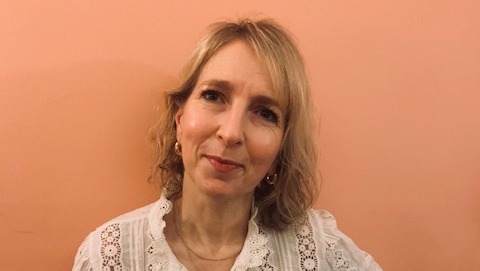
Rose Farrar
Rose Farrar
Can you talk a bit about the work you’re involved with at St Bart’s?
I’ve been looking at ways of helping them become more of a community asset, to see what we can do to build on their work with organisations like Red Ladder to diversify their audience. I’ve been looking at ways of forging links with local networks and finding out where we might be able to help or fill some gaps, because there’s clearly a lot going on in Armley. At the same time there’s a need for more cultural infrastructure, more anti-poverty initiatives and more support around physical and mental health.
How do the arts fit in with this?
I’ve been trying to develop new partnerships with the likes of Armley CAN, a fantastic group of people representing voluntary sector organisations, and to find out what kind of things we could programme at the church that would be of interest, what could be done better and what the priorities are.
This is already leading to new activities. With Meeting Point, which works with refugees and asylum seekers, we held a Christmas crafts session, and they came here and had a tour of the building, they heard the organ being played and had a multicultural afternoon tea. This is the kind of thing we’re looking to do as a way of opening the doors of the church more regularly and inviting people inside who have never been in before.
The idea is to encourage people to use the church as a meeting point, or to do some heritage exploration, join a music group, or sign up for a Red Ladder theatre show, because they know what it will be like when they walk in and they know it’s safe and welcoming.
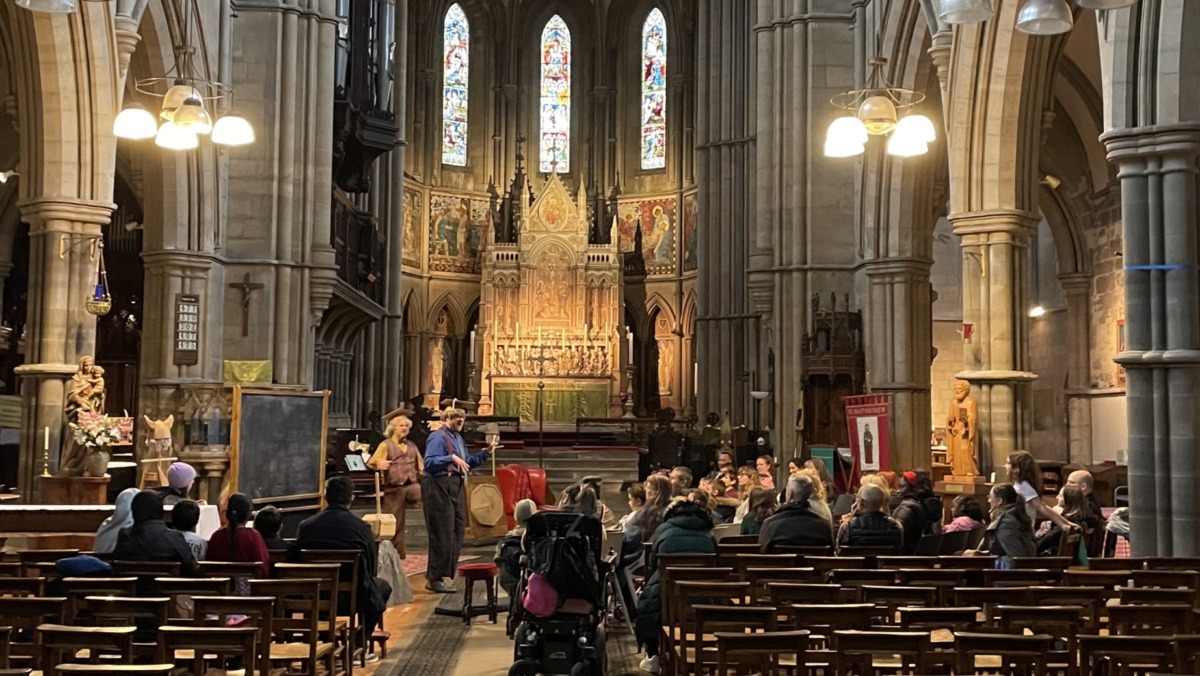
The Story Forge at St. Bart’s
Why is it important that the church broadens its appeal?
It’s this huge, historic building that dominates the local skyline and needs to be used if it’s to meet not just its faith-based mission but also as a place that can help the community thrive in a wider sense. There aren’t enough places for community groups in Armley and when we have incredible buildings like this it makes sense to use them. We’re actively pursuing funding opportunities all the time so that we can be more creative and diverse with our programming. So if there’s anyone out there looking for cultural investment opportunities then we would love to hear from them.
What impact have the Red Ladder shows had on the local community?
I think they’ve been really positive and help bring theatre experiences to people who may not have much opportunity or confidence to access formal theatre settings. It’s also been great to see shows and performances in community venues and see how successful that can be.
I think it’s helped the church and the volunteers to see its potential in new ways. There are people who specifically look for Red Ladder shows and others looking for things close to home, and that inclusive ‘pay what you decide’ model is really important in the community.
It says to people ‘you can come here – everybody is welcome.’
What are the benefits of having arts and culture in the church?
There’s lots of research that shows coming together and being creative, whether it’s crafting, photography, singing, or creative writing, is good for people’s mental health and wellbeing. Having a safe place to come that’s warm and welcoming helps combat isolation, it also gives people a creative outlet and a chance to try something new, as well as the opportunity to make new friends. Whenever I talk to people about being involved in creative projects, they often say it helps them rediscover their voice or boosts their self-confidence. So the social, emotional and psychological benefits are huge.
But above all, we can’t underestimate the simple joy and pleasure of having art and culture in our lives no matter what our economic circumstances.
For more information visit: St Bartholomew, Armley – A Church Near You